9 November 2026
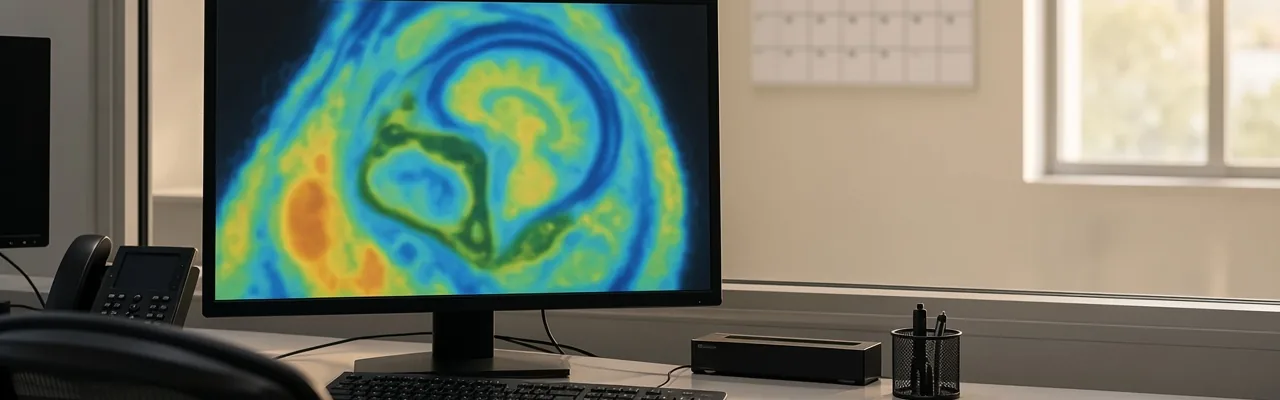
An MIT model doubles the accuracy of two-to-six-week weather forecasts
A team including MIT's Judah Cohen built a machine-learning layer that corrects the errors in existing forecasting models for the tricky two-to-six-week range, doubling their accuracy there and, for the first time, beating long-term climatological averages in that window. It placed first in ECMWF's forecasting competition, and because it sits on top of any underlying forecast rather than replacing it, the gain is a real one for farmers, energy planners and anyone preparing for extreme weather.
Source: news.mit.edu →
A chatbot that talks to patients before they see the doctor just had its first real clinical study
In a real-world clinical study published in The Lancet, 98 patients at Beth Israel Deaconess Medical Center chatted with Google's research AI, AMIE, before an urgent visit to a primary-care clinic, with a physician watching every conversation in real time. No conversation had to be interrupted for safety, and AMIE's differential diagnoses matched the doctors' final diagnosis nine times out of ten. Clinicians said the AI summaries helped them prepare for the visit in 75% of cases.
Source: blog.google →
Microsoft's AI "panel of doctors" outdid generalist physicians on hundreds of hard diagnostic cases
In a study published in Science, Microsoft's AI Diagnostic Orchestrator worked through 304 complex published case reports by coordinating several AI agents as a virtual panel that proposes diagnoses and orders tests round by round. It correctly solved 83% of cases against 36% for generalist physicians who could consult references. The comparison used retrospective case write-ups rather than real patients. Microsoft's reported next step is a clinical evaluation with Beth Israel Deaconess Medical Center on triaging patients in an emergency-department waiting room.
Source: techrepublic.com →